

Session I – When the Discharge Plan Meets Real Life: Selecting and Partnering with a Private Care Manager
A discharge plan is only as effective as its implementation in everyday life. For older adults seeking to age in place, changing care needs, caregiver limitations, and fragmented services can create gaps during and after transitions between care settings. Through a case-based discussion, this session will explore when private care management may be appropriate, how case managers can guide patients and families in selecting a provider, and what supports effective collaboration across the continuum. Participants will examine provider qualifications, scope of services, communication practices, and financial transparency while keeping the older adult’s goals and preferences central. Practical strategies will support informed referrals, clearer handoffs, and ongoing care coordination.

Session Learning Objectives:
– List the different types of Community MassHealth programs.
– Identify the financial qualifications for Community MassHealth Standard benefits.
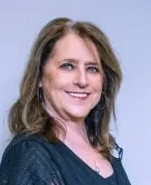
Lynn M. Stefano, CDP
Windrose at Weymouth Memory Care Community
Session III – Effectively Communicating with Individuals who have Dementia: A Clinical Practice Framework for Case Managers
Effective communication is essential to providing compassionate, person-centered care for individuals living with dementia. This presentation explores how dementia affects verbal and non-verbal communication and how behaviors can serve as expressions of unmet physical, emotional, or environmental needs. Participants will learn practical strategies for improving communication, reducing distress, and strengthening connection, including the use of simple language, appropriate response time, validation, visual and sensory cues, and environmental modifications. Through practical examples and a case study, the presentation will provide case managers and care professionals with tools they can apply when supporting individuals with dementia, their families, and care teams.


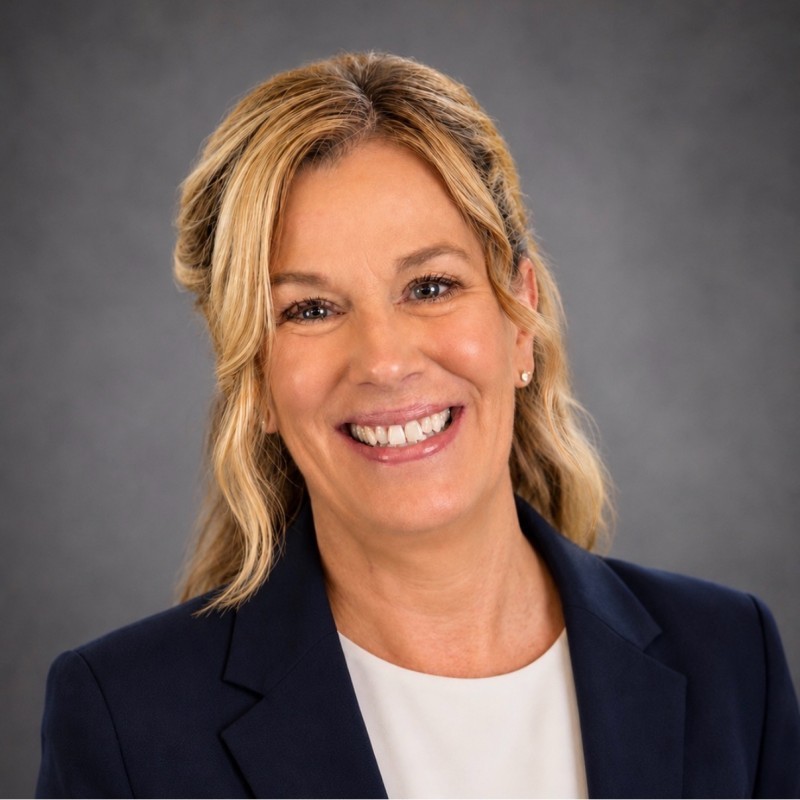


Magen A. Crepeau, NP-C, MSN, ACHPN, AOCNP
Old Colony Hospice
This presentation provides an overview of palliative care and hospice medicine, with a focus on helping nurses recognize when patients with serious illness may benefit from additional support. Participants will review the differences between palliative care and hospice, including goals, eligibility, services, and the role of the interdisciplinary team. The presentation will explore common clinical indicators that may signal a need for increased symptom management or a shift in goals of care. Through clinical case examples, participants will examine approaches to symptom management, goals-of-care conversations, and transitions between palliative and hospice care. Common misconceptions about hospice will also be addressed. Practical communication strategies will be provided to help nurses initiate meaningful conversations with patients and families while supporting patient-centered goals, quality of life, and informed decision-making.
Special thanks and appreciation to conference exhibitor sponsors, their support has allowed CMSNE the opportunity to bring a quality educational program to our membership. Acceptance of support from these sponsors in no way implies endorsement of their products and/or services by CMSNE or the program’s accreditation agencies.
 |
 |
 |
June Stark, RN, BSN, MEd, Conference Co-Chair
Debra Barnum, CCM, CPHQ, MBA, RN